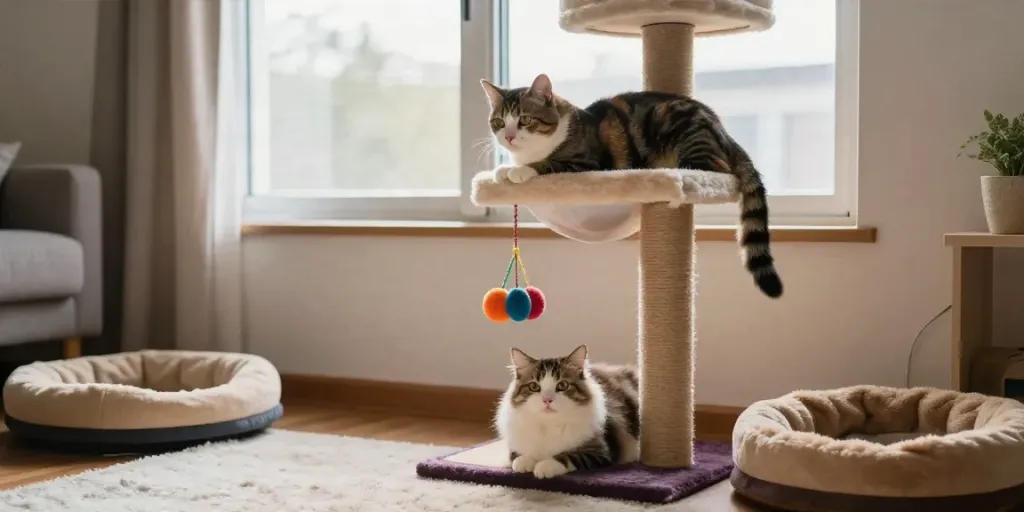
Understanding the Importance of a Cat Tree
As cat owners, we strive to provide our feline friends with enriching environments that promote their well-being and happiness. One essential piece of furniture that caters to these needs is the cat tree. These structures offer more than just a place to relax; they serve as a multi-functional playground that supports various aspects of a cat's lifestyle, from play and exercise to scratching and climbing. In the following sections, we will delve into why cat trees are vital for cat health and behavior, and how to select the perfect one for your home.
Why Every Cat Needs a Cat Tree
Every cat, regardless of age or breed, can benefit from having a cat tree in their living space. Cat trees provide a safe and designated area for climbing, which is essential for a cat’s instinctual behavior. Cats are natural climbers and enjoy perching high above their surroundings, where they feel secure and in control. A cat tree offers them a place to exercise this instinct, which can lead to improved physical health and mental stimulation.
Benefits of Cat Trees for Indoor Cats
Indoor cats face unique challenges, such as limited space for physical activity and an increase in boredom due to their confined environments. Cat trees help to mitigate these issues by offering various levels, platforms, and scratching posts, ensuring that indoor cats remain active and engaged. Furthermore, these trees can serve as a refuge for shy or anxious cats, providing them with a space to retreat to when they feel overwhelmed.
How Cat Trees Support Cat Behavior and Health
The structure of a cat tree can significantly influence a cat's behavior and overall health. By incorporating features such as scratching posts, ramps, and hideaway spots, cat trees cater to multiple instinctual behaviors, like climbing and scratching. Scratching is not only essential for maintaining claw health but also plays a crucial role in marking territory and preventing destructive behavior on furniture. Regular climbing and playing on a cat tree can also aid in preventing obesity in indoor cats, contributing to their overall well-being.
Choosing the Right Cat Tree for Your Home
When selecting a cat tree, it’s essential to consider various factors to ensure that your choice meets the needs of your cat. Not all cat trees are created equal, and understanding what features are necessary can make a significant difference in your cat’s enjoyment and utility of the tree.
Key Features to Look for in a Cat Tree
Choosing a cat tree with the right features can greatly enhance your cat's playtime experience. Key features to consider include:
- Height and Levels: Cats enjoy climbing, so a taller tree with multiple levels can provide more opportunities for fun.
- Stability: Ensure the cat tree is sturdy enough to prevent wobbling when your cat jumps on it.
- Scratch Posts: Look for trees that include sisal-wrapped posts to satisfy your cat's scratching instincts.
- Condo Spaces: Enclosed sections allow cats to hide and feel secure, which is particularly beneficial for shy or anxious felines.
Size and Space Considerations for Cat Trees
Before purchasing a cat tree, measure the space where you plan to place it. Ideal locations include corners or areas near windows where your cat can observe the outside world. Consider the size of your cat as well; larger breeds may require sturdier and broader designs. Additionally, if you have multiple cats, ensure that the tree has enough levels and scratching posts to reduce competition and promote harmony.
Material Options: Which is Best for Your Cat?
When it comes to materials, the durability and texture are key. Cat trees often come in wood, particleboard, or cardboard structures, each with its pros and cons. Wood is the most durable option but can be more expensive, while particleboard is affordable and lightweight but may not withstand heavy use. Choose non-toxic fabrics for the coverings, and consider if your cat has any preferences for texture, such as carpet versus faux fur.
Cat Tree Placement and Setup Tips
Proper placement of your cat tree can maximize its use and ensure that your cat feels comfortable and secure in their new playground. Here are some tips to optimize the placement of your cat tree.
Optimal Locations for Your Cat Tree
Placing the cat tree in a sunny spot can attract your cat to it, especially if they enjoy basking in sunlight. Additionally, consider positioning the tree near a window to provide your cat with bird-watching opportunities, as this can keep them entertained. Avoid placing the cat tree in isolated areas where your cat may feel trapped or anxious.
Creating a Playful Environment Around the Cat Tree
A cat tree can become even more engaging when paired with interactive toys. Hang dangling toys from the tree or place additional scratching posts nearby to encourage play. By creating an enriched environment with various stimuli, you can promote active play and mental stimulation for your cat.
Safety Tips for Stabilizing Cat Trees
Ensure the cat tree is safely installed and stable to prevent accidents. If your cat is particularly large or rambunctious, consider anchoring the cat tree to the wall or using a heavier base to avoid tipping. Regularly check for signs of wear and replace any damaged parts to maintain safety.
Maintenance and Care for Your Cat Tree
To ensure longevity and hygiene, regular maintenance of your cat tree is essential. Here are some best practices for caring for your cat tree.
How to Clean and Maintain Your Cat Tree
Cleaning your cat tree regularly is crucial for preventing odors and allergens. Vacuum the fabric surfaces to remove hair and debris, and spot clean any stains with a pet-safe cleaner. If the entire tree is removable and washable, consider following the manufacturer's instructions for washing to keep it fresh.
Signs of Wear and When to Replace It
Monitor your cat tree for signs of wear, such as frayed fabric, exposed wood, or unstable base. If the scratching posts are excessively worn down or the platforms start to collapse, it may be time to invest in a new cat tree to ensure your cat's safety and enjoyment.
DIY Upgrades for Your Cat Tree
Many cat owners choose to personalize their cat trees with DIY upgrades. Consider adding extra scratching posts, attaching new toys, or even painting the base to match your home decor. These modifications can enhance the functionality and aesthetic appeal of your cat tree.
Trends and Innovations in Cat Trees for 2026
The design and functionality of cat trees are continually evolving to meet the needs of modern cat owners. Here are some of the latest trends and innovations in cat trees for 2026.
Smart Cat Trees: Integrating Technology
With the rise of smart home technology, cat trees are embracing innovation through features like integrated sensors that monitor your cat's activity levels. Advanced models may include built-in cameras allowing owners to check in on their pets remotely, enriching the connection between pet and owner.
Eco-Friendly Cat Trees: Sustainable Options
More consumers are seeking sustainable options when it comes to pet furniture. Eco-friendly cat trees are made from recycled materials and non-toxic paints, appealing to environmentally conscious pet owners. These trees often combine functionality with aesthetics, providing stylish options that fit seamlessly into green living spaces.
Predictions for Cat Tree Designs and Features
As we look ahead, the designs of cat trees are likely to become more modular and customizable, allowing owners to adapt them according to their home layout and cat’s preferences. Future cat trees may also feature multi-functional elements, such as integrated storage or furniture pieces that blend seamlessly with home decor.
Is it worth getting a cat tree?
Absolutely! Investing in a cat tree is a valuable decision for any cat owner seeking to enhance their pet’s quality of life. With the numerous benefits they offer, including exercise, mental stimulation, and a designated space for play and rest, cat trees are well worth the investment.
What is the 3-3-3 rule for cats?
The 3-3-3 rule is a guideline for understanding how cats typically adjust to new environments. It suggests that the first three days involve hiding and acclimatizing, the next three weeks involve learning the new routines, and the following three months are when the cat fully settles in. Having a cat tree during this transition can help provide comfort and a sense of security.
Are cat trees good for cats?
Yes, cat trees are not only good but essential for cats. They provide physical exercise, mental stimulation, and a sense of safety and comfort. By enabling your cat to engage in its natural behaviors, you foster a happier and healthier pet.
How much is a Costco cat tree?
Prices for cat trees at Costco can vary greatly depending on size and features, typically ranging from $50 to $200 or more. It’s advisable to compare options available both in-store and online to find the best fit for your needs and budget.