
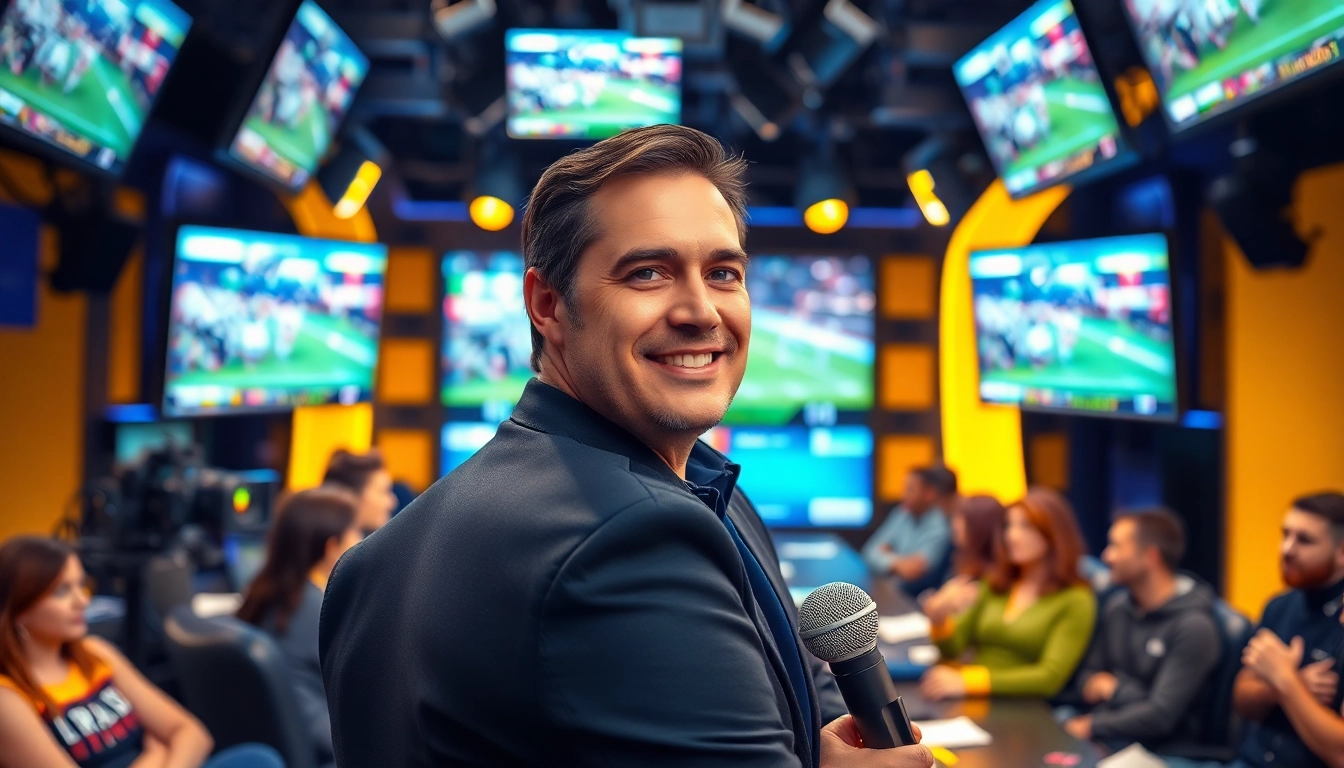
Understanding Sports Broadcasting Fundamentals
What is Sports Broadcasting?
Sports Broadcasting refers to the dissemination of sports events through television, radio, or digital platforms, allowing audiences to experience live sporting events, highlights, and related programming. This domain encompasses play-by-play commentary, analysis, and storytelling that enhance viewer engagement and understanding. As an essential component of sports culture, it serves millions of fans globally, providing an avenue to connect with their favorite teams and athletes. The rise of online platforms has revolutionized the Sports Broadcasting landscape, offering more diverse and accessible viewing experiences.
Key Roles in the Sports Broadcasting Industry
Understanding the various roles within the sports broadcasting industry is critical for grasping how live events are produced and aired. The key roles include:
- Sports Commentators: They provide live commentary, enhancing the viewer experience with insights, play descriptions, and emotional engagement.
- Producers: They oversee the entire broadcast, coordinating between different teams to ensure smooth operations.
- Camera Operators: Responsible for capturing the action from various angles, camera operators play a crucial role in storytelling.
- Analysts: Former athletes or experts who provide in-depth analysis and critique during or after the event.
- Technical Crew: This team handles equipment setup, sound, lighting, and transmission, ensuring a seamless viewing experience.
Overview of Broadcasting Platforms and Technologies
The evolution of broadcasting platforms and technologies has expanded the reach of sports programming.
- Cable and Satellite: Traditional methods that provide access to various sports channels.
- Streaming Services: Platforms like ESPN+, Hulu, and others allow viewers to watch events on-demand or live.
- Social Media: Networks like Twitter and Facebook provide instant updates and live streams, engaging younger demographics.
- Mobile Applications: Sports networks and leagues have developed apps for on-the-go viewing, personalized news, and real-time stats.
Essential Skills for Aspiring Sports Broadcasters
Communication Techniques for Sports Broadcasting
Effective communication is the backbone of successful sports broadcasting. Broadcasters must articulate thoughts clearly, adjusting their approach depending on the audience and setting. Techniques include:
- Clarity and Pace: Speak clearly and maintain an appropriate pace that suits the action unfolding on screen.
- Conversational Style: Use a friendly, relatable tone to engage viewers, making them feel part of the event.
- Use of Vocabulary: Employ sports terminology correctly while also explaining unfamiliar terms for broader audience understanding.
Research Methods to Enhance Content Delivery
A successful sports broadcaster needs thorough preparation and solid research methods. These include:
- Statistical Analysis: Familiarize yourself with player stats, historical performances, and team strategies to enrich commentary.
- Background Research: Understand the stories behind teams and players to provide context during the broadcast.
- Preparation of Notes: Organize vital information into notes for quick reference during live events.
Building a Unique On-Air Persona
Your on-air persona distinguishes you from others in the broadcasting space. Consider these factors:
- Authenticity: Cultivate a genuine personality that resonates with audiences; Don’t impersonate others.
- Consistency: Maintain a consistent tone and style to build recognition and trust.
- Engagement: Use humor, passion, and enthusiasm to connect emotionally with your audience.
Challenges Faced in Sports Broadcasting
Addressing Live Event Uncertainties
Live broadcasting inherently comes with uncertainties such as unexpected events and technical difficulties. Successful broadcasters prepare for this through:
- Pre-Event Run-Throughs: Conduct rehearsals to familiarize with the broadcast setup and identify potential issues.
- Backup Plans: Have contingency plans for technological failures or sudden changes in events.
- Flexibility: Maintain a flexible mindset to adapt commentary and strategies on-the-fly.
Managing Audience Expectations
Large audiences have high expectations during broadcasts. Broadcasters must often balance different audience segments by:
- Reading the Audience: Adjust commentary based on audience reactions, whether online or in-stadium.
- Feedback Incorporation: Utilize feedback from social media and post-event surveys to tune your approach.
- Setting Realistic Expectations: Communicate potential discrepancies and encourage viewers to appreciate the unfolding drama.
Adapting to Technological Advancements
The fast-paced nature of technological advancements can be both an opportunity and a challenge. Broadcasters adopt innovations through:
- Continuous Learning: Attend workshops and training programs to stay updated with the latest broadcasting technologies.
- Experimentation: Be willing to try new tools and techniques, such as using augmented reality for enhanced storytelling.
- Collaboration: Work closely with technical teams to ensure proper implementation of new technologies into broadcasts.
Best Practices for Effective Sports Broadcasting
Developing Engaging Commentary Techniques
Engaging commentary can set your broadcast apart. Techniques include:
- Varying Tone and Volume: Adjust your tone and volume according to the excitement level of the game.
- Storytelling: Use storytelling techniques to paint pictures in viewers' minds, enhancing emotional engagement.
- Highlighting Key Moments: Identify and emphasize pivotal moments, helping audiences feel the tension and excitement.
Utilizing Visuals and Graphics in Broadcasting
Visual aids enhance understanding and viewer experience. Employ the following:
- Infographics: Use stats and visuals to visually narrate stories behind the game.
- Player Profiles: Display graphics of player stats or history during key moments.
- Replay Features: Incorporate slow-motion and highlight reels to discuss crucial game plays.
Maintaining Audience Engagement Throughout Events
Keeping viewers engaged throughout a broadcast is vital. Strategies include:
- Interactive Polls: Encourage audience interaction through live polls about game predictions.
- Audience Q&A: Allow viewers to submit questions via social media or apps during broadcasts.
- Frequent Updates: Provide continuous live updates to keep audiences engaged, especially during slow game periods.
Measuring Success in Sports Broadcasting
Key Performance Indicators for Broadcaster Evaluation
To evaluate performance in sports broadcasting, it is essential to track specific indicators:
- Viewer Ratings: Understand how many people watched the event and demographics to tailor future broadcasts.
- Engagement Metrics: Assess social media interactions such as shares, comments, and likes during broadcasts.
- Feedback Analysis: Collect feedback through surveys to understand audience preferences and expectations.
Gathering and Analyzing Audience Feedback
Feedback is crucial for iterative improvement. This can be conducted by:
- Post-Event Surveys: Send surveys to audience members asking for their opinions on various aspects of the broadcast.
- Focus Groups: Organize focus groups with dedicated viewers to discuss their experiences and suggestions.
- Social Media Listening: Monitor online conversations to gauge public perception and sentiment after events.
Using Analytics to Improve Future Broadcasts
Leverage analytics tools to refine future broadcasts. This involves:
- Data-Driven Decisions: Utilize audience data to inform decisions on commentary style, content focus, and viewer engagement methods.
- Trend Analysis: Identify trends in viewer preferences and behaviors to enhance sports broadcasting strategies.
- Performance Reviews: Regularly review performance metrics and feedback to define areas for improvement.
Frequently Asked Questions
What qualifications do I need to become a sports broadcaster?
Most sports broadcasters have a degree in journalism, communications, or broadcasting. Relevant experience through internships is also valuable.
How can I improve my sports commentary skills?
Practice consistently, focus on clarity, study statistics, and engage with the audience to enhance your commentary abilities.
What is the role of social media in sports broadcasting?
Social media offers real-time interaction, updates, and fan engagement, enhancing the viewer experience beyond traditional broadcasting.
How do sports commentators prepare for events?
Commentators conduct thorough research, prepare notes on players and statistics, and practice read-throughs before each broadcast.
What technologies are essential in sports broadcasting?
Key technologies include cameras, graphics software, broadcasting equipment, and streaming platforms that enhance viewing experiences.